DRUMS OF THE WORLD
sangbai drum Sierra Leone
Original information
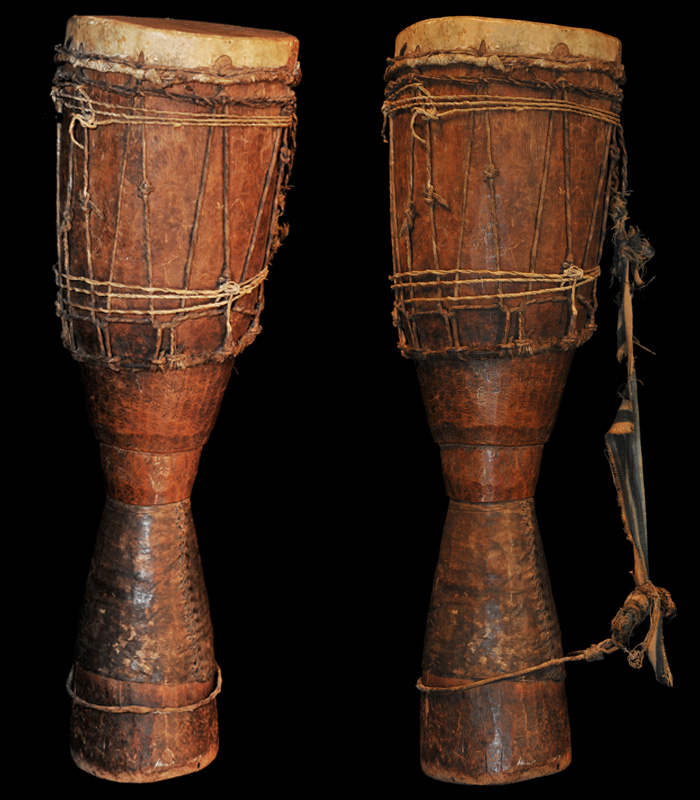
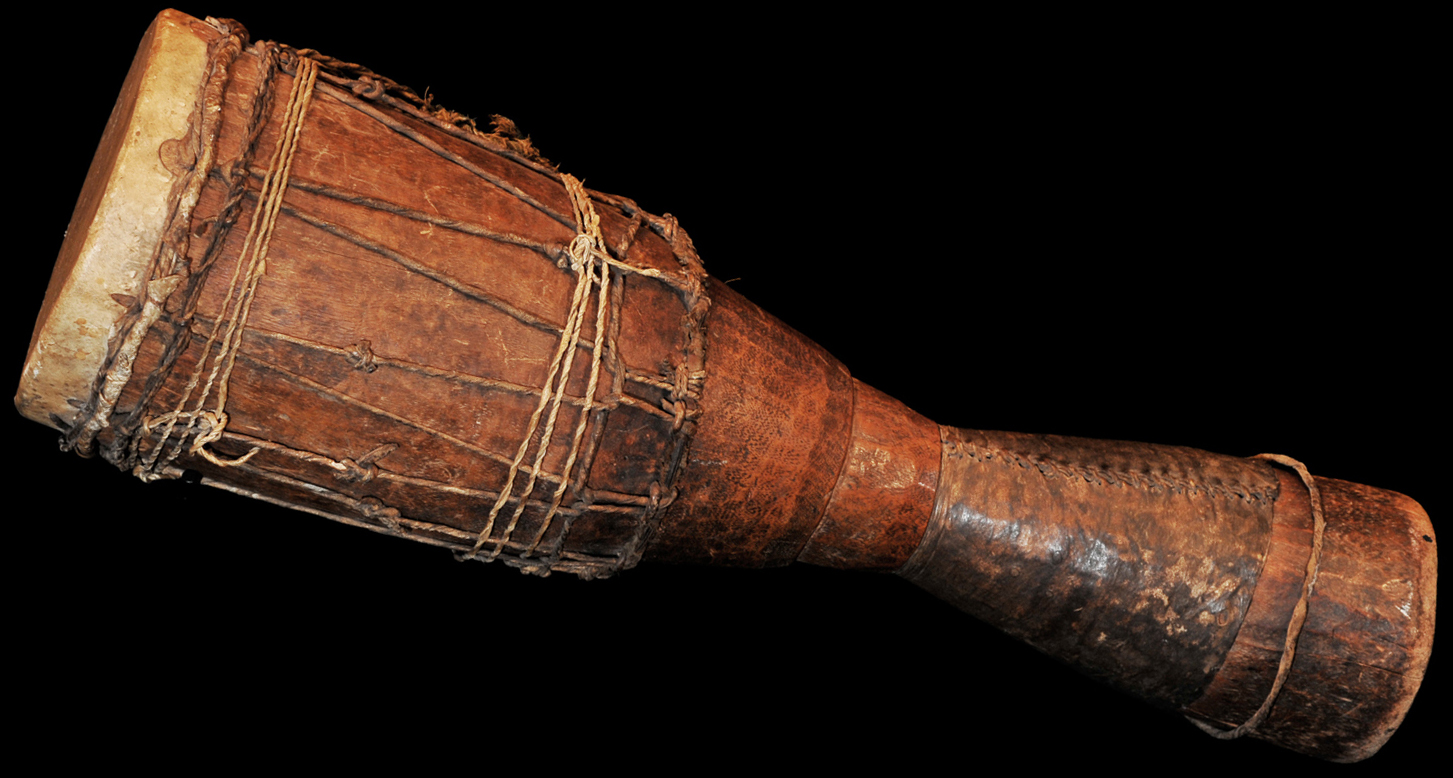
"The sangbai is played among many ethnic groups (Temne, Kissi, Mende, Susu...) in Sierra Leone.
Sangbai is the Susu name of the drum, although it is also known as yimbei, jimberu, djembe and other names.
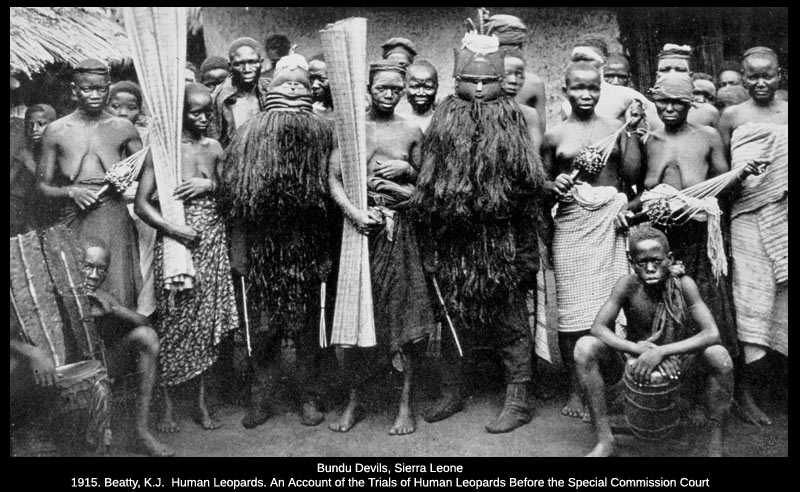
The sangbai was the main musical instrument used during ceremonies of the Bundu Society.
The instrument has also been used in other traditional ceremonies and festivals."
Literature / References
Charry, Eric (2000): Mande Music. Traditional and Modern Music of the Maninka and Mandinka of Western Africa. University of Chicago Press.
Chernoff, John (1979): African Rhythm and African Sensibility.
Jedrej, M. C. (1990): Structural Aspects of a West African Secret Society.
Meyer, Andreas (1997): Afrikanische Trommeln – West- und Zentralafrika. Veröffentlichungen des Museums für Völkerkunde Berlin.
Polak, Rainer (2004): Festmusik als Arbeit, Trommeln als Beruf. Jenbe-Spieler in einer westafrikanischen Großstadt. Berlin.
Phillips, Ruth B. (1995): Representing Woman: Sande Masquerades of the Mende of Sierra Leone. Los Angeles: UCLA Fowler Museum of Cultural History.
"The sangbai is played among many ethnic groups (Temne, Kissi, Mende, Susu...) in Sierra Leone.
Sangbai is the Susu name of the drum, although it is also known as yimbei, jimberu, djembe and other names.
The sangbai was the main musical instrument used during ceremonies of the Bundu Society.
The instrument has also been used in other traditional ceremonies and festivals."
Literature / References
Charry, Eric (2000): Mande Music. Traditional and Modern Music of the Maninka and Mandinka of Western Africa. University of Chicago Press.
Chernoff, John (1979): African Rhythm and African Sensibility.
Jedrej, M. C. (1990): Structural Aspects of a West African Secret Society.
Meyer, Andreas (1997): Afrikanische Trommeln – West- und Zentralafrika. Veröffentlichungen des Museums für Völkerkunde Berlin.
Polak, Rainer (2004): Festmusik als Arbeit, Trommeln als Beruf. Jenbe-Spieler in einer westafrikanischen Großstadt. Berlin.
Phillips, Ruth B. (1995): Representing Woman: Sande Masquerades of the Mende of Sierra Leone. Los Angeles: UCLA Fowler Museum of Cultural History.